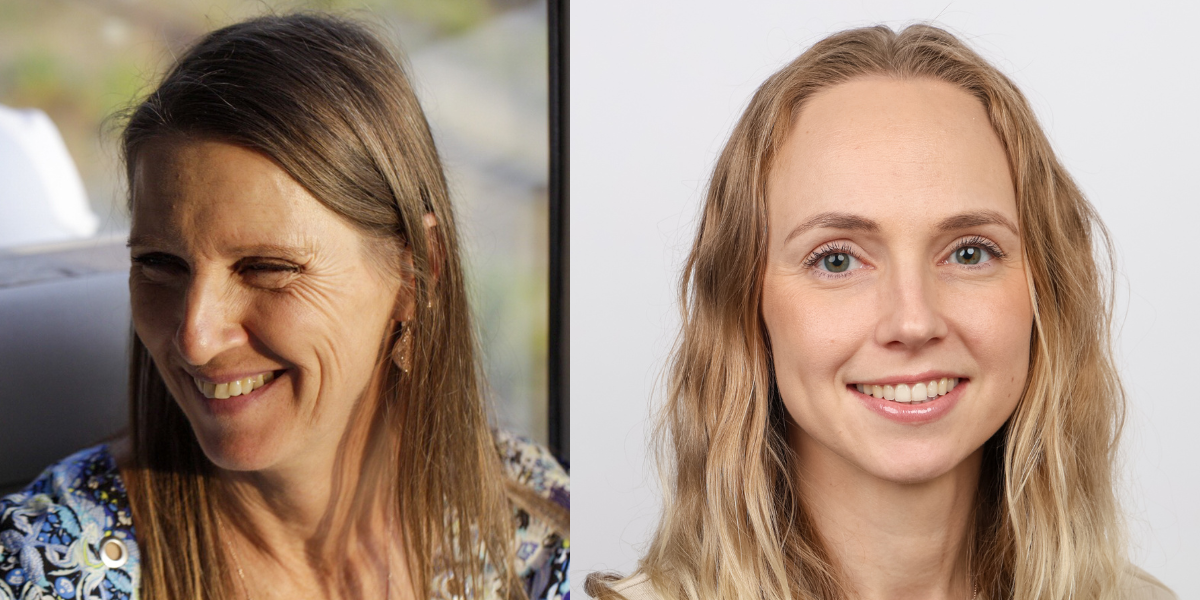

Optometrist Brittney McDonogh is turning an unimaginable family tragedy into a powerful campaign for change, drawing on her professional experience and personal loss to call for mandatory vision assessments for Queensland drivers and help prevent avoidable road accidents.
After losing her mother, Carol, in a crash involving a driver with a severe, undeclared vision impairment in August 2020, Brittney has made it her mission to improve driver vision standards and help protect other families from experiencing the same heartbreak.Carol embraced life, enjoying travel and the outdoors alongside her husband.
“She gave everything to my sister and me,” Brittney said.
“She was active and healthy, always out walking, riding or doing yoga, and she was amazing at growing fruit and vegetables on our 50-acre pineapple farm.”
One sunny Sunday morning in August 2020, Carol and her husband set out for a familiar bike ride on the local roads near their property.
They were nearly home, riding single file along a straight, wide country road, when they were struck from behind.
Carol was hit first, followed by her husband.
She was airlifted to hospital, but her injuries were not survivable and she passed away a few hours later. Brittney's father suffered numerous injuries.
The investigation revealed the driver had a severe vision impairment and had been medically unfit to drive.
He had been diagnosed with macular degeneration in 2013 and had been told by multiple health professionals over the years that he should not be driving.
However, he had never declared his condition to Queensland's Department of Transport and Main Roads (TMR), allowing him to continue driving undetected.
For Brittney, who had already spent more than a decade working in optometry, the circumstances raised confronting questions about how the system could allow someone with such significant vision impairment to remain behind the wheel.
“I still remember the day, about two months after the crash, when the Forensic Crash Unit investigator came to Dad's house to tell us the driver had been charged,” she said.
“We sat in the living room and learnt the reason for the crash.”
That conversation planted the seed for what would become Carol's Law.
“That day in the living room, we talked about how the standards weren't good enough and that something had to change,” Brittney said.
“With my background in optometry, it has always been something we wanted to do as a family. What happened was deeply traumatic and it has taken us a long time to find the strength to share our story publicly. We have found that strength and that is how Carol's Law began.”
A call for a more proactive approach to driver vision
Brittney began her optometry career at just 17, working part-time as an optical dispenser at a local practice before completing a Bachelor of Vision Science and Master of Optometry at Queensland University of Technology (QUT).
Over the past 13 years, she has worked across private and corporate practice, alongside ophthalmologists in their clinics, as a clinician at QUT and in research at the Brien Holden Vision Institute.
Her experience across these settings has given her a strong understanding of the importance of early detection and appropriate management of eye conditions.
Under Queensland's current licensing arrangements, drivers must declare medical conditions that may affect their ability to drive.
While health professionals can report concerns about a patient's fitness to drive to TMR, they are not legally required to do so.
For drivers under 75, a vision assessment is generally only required if they declare an eye or vision condition.
This means people with undiagnosed conditions, or those who do not recognise their vision has deteriorated, may continue driving without a formal assessment.
Brittney believes a more consistent and preventative approach is needed.
“I believe drivers' vision should be properly assessed, including how clearly they can see, their peripheral vision and their overall eye health,” she said.
Carol's Law proposes mandatory vision assessments for Queensland drivers at key milestones:
- When first applying for a driver's licence.
- At ages 50 and 60.
- Every five years thereafter until age 75.
- Annually from age 75.
For most drivers, this would mean having their vision checked as part of a routine eye examination with an optometrist.
“This approach is preventative rather than reactive. Checking every driver at these milestones means vision-threatening conditions can be picked up earlier and treated sooner. That can reduce preventable blindness while keeping Queensland roads safer,” Brittney said.
Why regular eye examinations matter
Safe driving relies on more than being able to read a number plate or road sign.
Clear central vision helps drivers spot hazards, while peripheral vision keeps them aware of their surroundings, especially when merging, changing lanes and sharing the road with pedestrians and cyclists.
However, many eye conditions develop gradually, often without noticeable symptoms early on.
“Many eye conditions develop slowly, with few or no symptoms,” Brittney said.
“The technology we have now allows us to detect them early, so they can be treated and managed appropriately. Early diagnosis can preserve sight and reduce preventable blindness.”
She encourages drivers to watch for changes such as difficulty reading road signs or number plates, increased trouble driving at night, greater sensitivity to glare or being surprised by vehicles, cyclists or pedestrians approaching from the side.
A comprehensive eye examination can identify issues that may otherwise go unnoticed, including outdated prescriptions, gradual loss of peripheral vision and conditions such as glaucoma, macular degeneration and diabetic eye disease.
With the risk of eye disease increasing with age, Brittney encourages people to have regular examinations and follow the advice of their optometrist or ophthalmologist.
She also believes routine assessments should support independence rather than threaten it.
“I'd hope regular eye examinations help people stay independent for longer,” she said.
“Many eye conditions can be well managed when they're caught early. That keeps vision clear and stable, reduces preventable vision loss and helps drivers stay confident on the road.”
A community campaign gathering momentum
The campaign has attracted backing from Bicycle Queensland and the Amy Gillett Foundation, along with support from optometrists across Queensland and Optometry Australia.
More than 3,000 Queenslanders have signed the e-petition, with the family aiming to reach 10,000 signatures before it closes on 31 January 2027.
“We are overwhelmed with gratitude,” Brittney said.
“Having Bicycle Queensland and Amy's Foundation behind us has meant a great deal. Optometrists across the state have also supported the campaign and shared it with their communities and I'm grateful to Optometry Australia for helping to highlight the petition.”
For Brittney and her family, the support has been particularly meaningful given how difficult it has been to share their experience publicly.
“Sharing our story publicly hasn't been easy, but every signature and every share tells us we're not alone in believing the system needs to change.”
Once the petition closes, it will be tabled in Queensland Parliament, requiring a response from the Minister.
Brittney hopes this will lead to a commitment to meaningful reform, with the longer-term ambition of seeing more consistent driver vision assessment requirements introduced across Australia.
“I'd love to see vision assessments made consistent across Australia,” she said.
“Queensland could lead the way, with other states following, or national minimum requirements could be set through the Assessing Fitness to Drive guidelines.”
For Brittney, the campaign is about ensuring other families do not have to experience what hers has endured.
Her message to Australian drivers is simple:
“Your vision can change without you noticing, so have your eyes checked regularly. Seeing clearly keeps you and everyone you share the road with safe.”
Support Carol's Law
Queenslanders can support Brittney and her family's campaign by signing and sharing the Carol's Law e-petition before it closes on 31 January 2027.