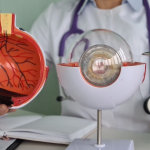

We’re all about the skincare routines, dental cleans and wellness checks - but what about your eyes? They work hard every single day and change more than you think as we age.
From babyhood to retirement, here’s how to keep those peepers in top shape, plus when (and why) to see your optometrist.
Birth to nine years of age: little eyes, big impact
Your kid’s eyesight is more important than you might realise. Vision plays a massive role in learning, development and even behaviour - and it all starts early.
Yet research shows that only 68% of Aussie parents have taken their child for an eye test, and 1 in 3 of those found out their kid needed glasses.
“Early detection is key. Many eye conditions in kids can be managed easily if caught early — but if you miss that window, it gets trickier,” said Lyn Hsieh, optometrist and National Professional Services Advisor at Optometry Australia.
Hot tip for parents: encourage your kids to play outside. Research shows that time spent outdoors can help reduce the risk of myopia (short-sightedness). Less screen time, more green time = better vision. Learn more about our Off Screens, Outside, Optometrist campaign here.
10 to 19 years of age: screens, study and growing eyes
Teenage years generally means more study, more screen use and a whole lot of growing (including their eyeballs).
With a significant amount of schoolwork and socialising happening on digital devices, young Aussies are copping the effects of digital eye strain and increased risk of developing myopia.
“Balancing screen time with outdoor activities is essential. Just a couple of hours outside each day can make a big difference.”
20 to 39 years of age: peak adulting = peak eye care
In your 20s and 30s, your eyes are doing a lot: working, scrolling, late-night TV bingeing, early morning emails. This is also when serious conditions like glaucoma can start sneaking up — with zero early warning signs.
But so many of us skip eye exams because our eyes feel fine and seem to be working as they should. Spoiler alert: you often can’t feel conditions like glaucoma, especially in the early stages.
“Regular eye exams can catch issues long before symptoms show. Don’t wait for a problem — prevention is always better.”
Plus, your eyes can reveal signs of general health issues like diabetes and high blood pressure.
So even if your vision’s sharp, that visit to your trusted optometrist is still doing big things for your wellbeing.
40 to 59 years of age: Midlife, meet Middle Distance
Ah yes, welcome to the era of presbyopia — that lovely moment when menus suddenly look smaller and your arms don’t seem long enough to read your phone. Totally normal, and totally manageable with the right lenses or reading glasses.
This is also the time when age-related macular degeneration (AMD) and cataracts may start to appear. But early detection can slow progression and protect your sight.
"Presbyopia is a normal change that happens over time. What’s more important is ruling out serious conditions and adapting your vision needs as your life shifts.”
Bottom line: don’t ignore changes in your sight. They’re not just annoying - they’re your eyes waving a little red-hued flag that it’s time to check in.
60+ years of age: wise eyes still need watching
By the time you hit your 60s, your eyes have seen a lot — but they still need regular care.
Around 1.2% of Aussies over 55 are blind, and the most common causes are preventable or manageable with early diagnosis.
Age-related conditions like glaucoma, AMD and diabetic retinopathy become more common. But here's the good news: regular eye exams can help detect these early, giving you the best chance to manage them and stay independent.
“Even if there are no other concerns, eye exams should be yearly at this stage. They’re quick, painless and can make all the difference to quality of life.”
Also — don’t underestimate the emotional toll of losing your vision. Staying proactive helps protect both your sight and your mental wellbeing.
Bottom line: your eyes deserve self-care, too
No matter your age, your eyes are along for the ride.
Keeping them in check with regular visits to a trusted optometrist is one of the easiest, most empowering things you can do for your health.
Our easy “Find an Optometrist” search tool can assist you in identifying the most convenient optometry practice based on where you live or work. Simply pop in the local postcode and – voila!
We’re here to help not hinder prioritising eye care.
Don’t wait for symptoms. Book the appointment, ask the questions and keep showing up for your future self — because good vision is good living.