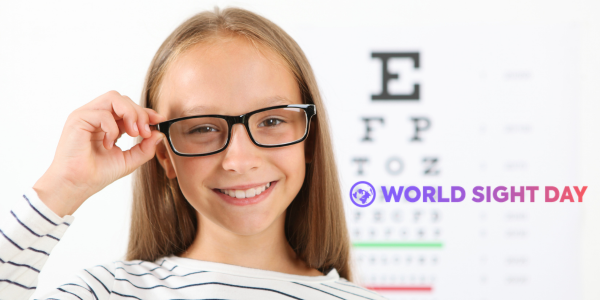
When was the last time you had your eyes checked?
For many of us, the answer probably isn’t as recent as it should be.
Our eyes work hard every day.
They help us learn, work, drive, connect with other people and experience the world around us. Yet eye health is easy to overlook, especially when your vision seems perfectly fine.
This World Sight Day, on 8 October, is a good reminder to pay a little more attention to your eyes.
You don’t have to notice a problem to have one
Eye health conditions are incredibly common.
More than 13 million Australians – 55% of the population – reported having at least one long-term vision disorder in 2017–18, according to the Australian Institute of Health and Welfare. Among Australians aged 65 and over, long-term vision disorders affected 93% of people.
Some eye conditions can develop without obvious changes to your vision, which means you may not know there’s a problem until an eye examination picks it up.
An optometrist can assess your vision, check the health of your eyes and look for signs of eye conditions or changes you may not have noticed yourself.
Are we checking our eyes often enough?
According to Optometry Australia, Australians may not be accessing comprehensive eye examinations as regularly as they could.
Between 2017–18 and 2023–24, the per-capita rate of initial comprehensive eye examinations for Australians under 65 fell by 18.1%.
If the 2017–18 rate had been maintained, there would have been an additional 424,101 initial comprehensive eye examinations in 2023–24.
The analysis is based on Medicare data and highlights a concerning drop in access to comprehensive eye examinations among Australians under 65.
It’s a reminder that looking after our eyes needs to be part of our regular health routine, not something we only think about when we notice a problem.
Eye health matters at every age
Eye health isn’t just something to think about when you get older.
For children, spending time outdoors is one simple way to support healthy eye development.
A 2025 meta-analysis published in Acta Ophthalmologica looked at 15 studies involving 16,597 children and adolescents aged 6 to 18.
It found that increased outdoor activity could reduce or delay the onset of myopia, or short-sightedness.
The researchers found that outdoor activity was associated with changes in eye growth and refractive error that were consistent with a reduced or delayed risk of myopia.
For families, the takeaway is simple: make plenty of time for sun safe outdoor play and activity where possible.
It’s not about banning screens or making childhood another thing to optimise.
It’s about making room for time outside, too.
Simple ways to look after your eyes
1. Get your eyes checked regularly
Even if you think your vision is fine, regular eye exams can catch changes early. Your local trusted optometrist can recommend how often you should have your eyes checked based on your age, eye health, vision and individual needs.
2. Get outside
For children, regular outdoor time can help reduce or delay the onset of myopia. Aim for plenty of outdoor time each day where possible; around two hours a day is a useful goal for children.
3. Protect your eyes from UV
UV exposure can damage your eyes over time. Sunglasses that meet Australian standards, along with a broad-brimmed hat, can help protect your eyes when you're outdoors.
4. Give your eyes a break
If screens are part of your day, remember to look away regularly and shift your focus. For children, balance screen time with plenty of opportunities for outdoor play and other activities.
5. Don’t ignore changes
Blurred or distorted vision, flashes, new floaters, eye pain, or a sudden change in vision can signal that you need prompt attention.
If you experience a sudden or severe change in your vision, seek urgent medical care.
Make eye health part of your health routine
We make time for dental check-ups, skin checks and general health appointments. Our eyes deserve the same attention.
So, this World Sight Day, ask yourself: When was the last time I had my eyes checked?
If you can't remember, it might be time to book an appointment with your local optometrist.