
As summer approaches and Australians spend more time outdoors, Optometry Australia reminds people that protecting their eyes from ultraviolet (UV) radiation should be as important as protecting their skin.
We all know the importance of slipping on a shirt, slopping on sunscreen and slapping on a hat during the warmer months.
But the Cancer Council’s sun protection message goes a step further, with ‘Seek and Slide’ reminding us to seek shade and slide on sunglasses, too.
While we’re often diligent about protecting our skin from the sun, one important part of sun protection can be overlooked: our eyes.
Exposure to UV radiation from the sun can cause cumulative eye damage, increasing the risk of conditions such as cataracts, pterygium (a growth on the surface of the eye) and retinal damage as well as certain cancers affecting the delicate skin around the eyelids.
And it's not just something to worry about on scorching summer days.
UV radiation is invisible and can remain high even when the weather is cool or cloudy.
Reflected UV from surfaces such as water, sand and concrete can also contribute to exposure, meaning sitting under an umbrella or spending time in the shade doesn't necessarily provide complete protection.
The message is simple: if you're protecting your skin from the sun, don't forget your eyes.
UV damage can start earlier than you think
The effects of UV exposure on eye health can build up over a lifetime and Australian research suggests the damage can begin much earlier than many people realise.
Research from Western Australia's Raine Study, which followed young Australians, identified measurable UV-related eye damage among young adults.
Published findings showed that at age 20, pterygium was present in about 1 in 50 male participants and 1 in 330 female participants.
Researchers also identified an association between time spent outdoors and signs of sun damage to the eyes.
Other Australian research has highlighted the impact of cumulative sunlight exposure.
A Victorian population study involving 5,147 people aged 40 and over found pterygium was more common among rural participants (6.7 per cent) than among those living in Melbourne (1.2 per cent).
Lifetime exposure to sunlight was also identified as an independent risk factor.
Together, these findings reinforce why protecting our eyes from UV radiation should start early and remain part of our everyday routine, rather than something we only think about during summer holidays.
Give your eyes some summer protection
The good news is that protecting your eyes from UV damage doesn't need to be complicated.
A few simple habits can make a meaningful difference.
Slide on quality sunglasses
All sunglasses sold in Australia must comply with the Australian/New Zealand Standard AS/NZS 1067 for UV protection, but not all sunglasses offer the same level of protection.
Look for Category 2 or 3 lenses, which are suitable for everyday outdoor use.
The style of your sunglasses also matters – smaller fashion frames may leave more of your eyes exposed, while larger frames or wraparound styles offer better coverage.
Look for clear UV protection labelling rather than judging sunglasses by their colour or price.
Choose good coverage
Close-fitting or wraparound frames help reduce UV radiation entering from the sides.
Larger frames can also provide additional coverage around the eyes.
Top it off with a hat
A broad-brimmed hat provides additional protection by reducing the amount of sunlight reaching your eyes and the delicate skin around them.
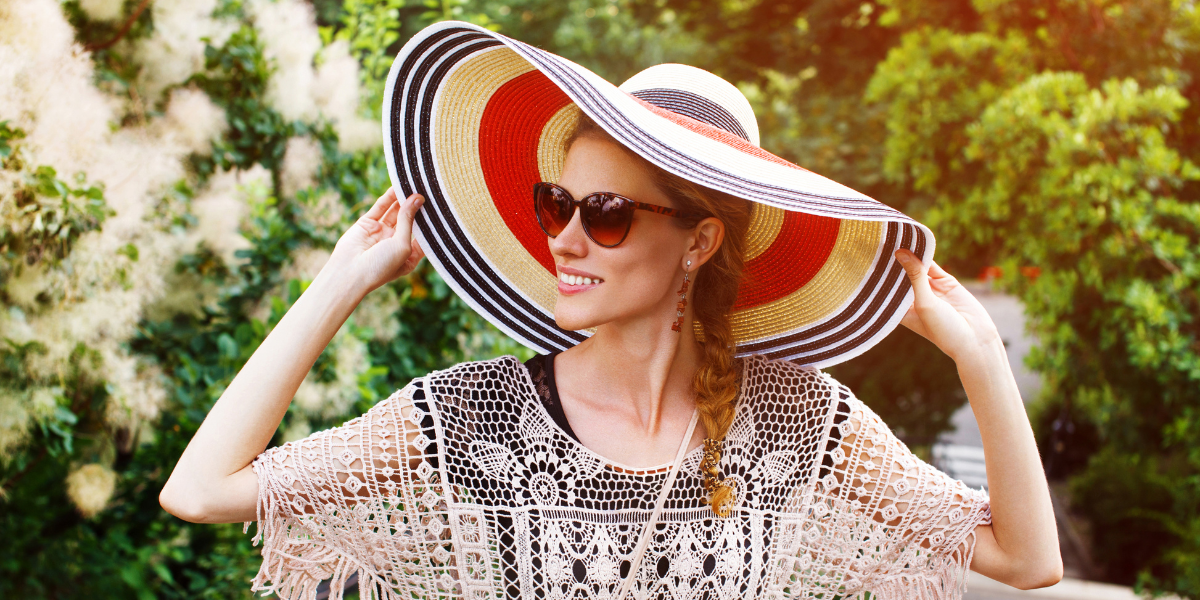
Combining a broad-brimmed hat with appropriate sunglasses can reduce UV exposure to the eyes by up to 98 per cent, according to Cancer Council guidance.
Check the UV Index
Make sun protection part of your routine whenever the UV Index reaches 3 or above.
Australia's UV forecasts are available through the Bureau of Meteorology.
Protect little eyes, too
Children's eyes are particularly vulnerable to UV exposure, so make sunglasses and hats part of their outdoor routine from an early age.
Encouraging good habits now can help protect their eye health into the future.
Remember, darker lenses don't automatically offer better UV protection and polarised lenses don't necessarily block UV radiation.
Always check the product labelling to make sure your sunglasses provide adequate UV protection.
Make eye health part of your summer routine
While sunglasses and hats are important parts of sun protection, they shouldn't replace regular eye care.
An optometrist can check for signs of UV-related eye damage, assess your overall eye health and recommend suitable protection based on your individual needs.
This summer don't let your eyes be an afterthought.
Whether you're heading to the beach, enjoying a backyard barbecue, watching the kids play sport or simply getting outside for a walk, make protecting your vision part of your everyday sun safety routine.
If you are experiencing changes in your vision or are concerned about your eyesight, use our Find an Optometrist search tool to schedule an appointment with your local optometrist today.