
You’ve probably heard of amblyopia, aka lazy eye, which is when one eye doesn’t see as well as the other, usually because the brain ignores its input during early childhood.
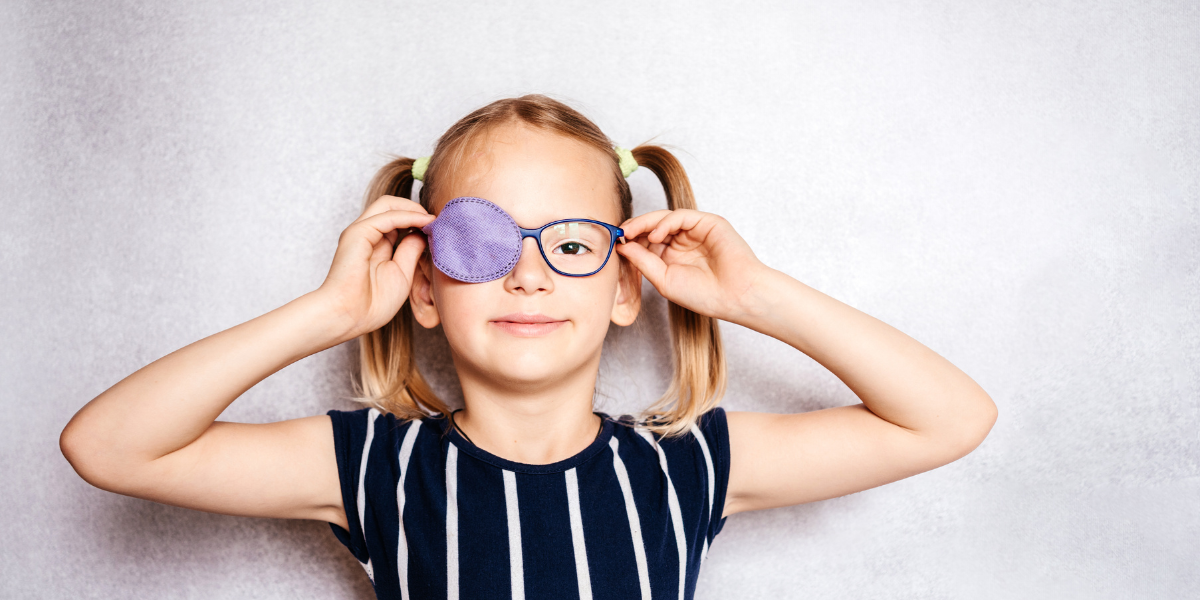
It’s often thought of as just an eye problem, fixed by patching the stronger eye or wearing specs.
But here’s the plot twist: new research shows that lazy eye might be much more than a simple eyesight issue.
It’s connected to how the brain develops, meaning genetics and neurodevelopment play a bigger role than we thought.
What’s the deal with lazy eye?
Amblyopia affects around 2% of kids in Australia and usually presents before the age of seven, when the brain is still wiring itself up for how we see the world.
Traditionally, doctors believed lazy eye happens because one eye sends blurry or mismatched images to the brain and the brain starts ignoring them.
That’s why patching the good eye helps as it forces the brain to pay attention to the weaker eye.
But wait…new research says it’s deeper than that
A big genetic study involving over 120,000 people has uncovered that amblyopia isn’t just about the eyes. It’s also tied to brain development, meaning some kids might be wired differently from birth, making them more likely to develop lazy eye.
This flips our understanding: lazy eye isn’t just caused by poor visual input but also by differences in how the brain forms and connects eye signals during early growth.
Why does this matter?
It means lazy eye could be harder to spot early on, especially if a child’s eyes look fine. The risk isn’t just in the eyes themselves but in the brain’s wiring.
So early detection becomes even more critical.
The earlier amblyopia is identified, the better the chance that treatment can reshape the brain’s pathways and help the weaker eye catch up.
What can parents do?
- Don’t skip eye exams. Get your child’s vision tested before they start primary school, ideally by the age of five. A trusted optometrist can spot subtle signs even if your kid’s eyes look okay.
- Watch for signs. Squinting, tilting the head, covering one eye or difficulty judging distance can all be red flags of amblyopia.
- Act fast. If you suspect something, book an eye exam pronto. The sooner treatment starts, the better the outcome.
- Stay curious. Science is evolving rapidly and new research suggests that treatments may improve in the future.
What’s next?
Researchers hope that understanding the genetics behind amblyopia will lead to personalised treatments and maybe even tailored brain training or therapies alongside traditional patching and specs.
It’s a fresh way to look at vision health that puts the brain front and centre, showing us how connected everything really is.
With good knowledge, early action and ongoing research, we can help kids keep their vision sharp - for life.
Want to find an optometrist near you? Use our Find an optometrist tool to book your child’s next eye exam today!