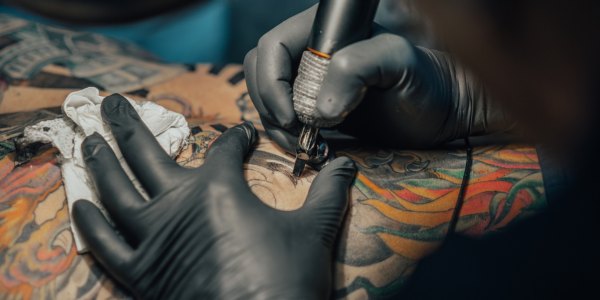

Tattoos are increasingly popular.
From tiny symbols to full sleeves, ink is a way to express yourself, mark milestones, or simply make a statement. But while a tattoo might be permanent, so are the risks to your eyes; even if they’re rare.
A condition known as tattoo-associated uveitis has increasingly drawn the attention of eye care professionals. It occurs when the body’s immune system reacts to tattoo pigment, triggering inflammation that can extend to the eyes.
While most people never experience this, for those who do, the results can be serious: blurred vision, light sensitivity, redness and in extreme cases, permanent vision loss.
How it happens
Your immune system is designed to protect you from threats like infections.
In rare cases, it can mistake tattoo ink as a danger and react in unexpected ways. This reaction sometimes targets the eyes, causing inflammation that requires medical intervention.
What makes tattoo-associated uveitis tricky is that it doesn’t always appear immediately.
Some people develop symptoms years after getting their tattoo, making it easy to overlook the connection. Certain ink colours - black, red and pink - seem more commonly linked to the reaction, though researchers are still investigating why some individuals are affected while others aren’t.
Recent Australian research published in Clinical and Experimental Ophthalmology documented 40 new cases of tattoo-associated uvitis (inflammation of the uveal tract in the eye) doubling the global total since 2010.
While still rare, given the millions of Australians with tattoos, these cases suggest the condition may be more common than previously thought.
Symptoms you can’t ignore
Eye experts recommend staying alert to changes in your vision, especially after getting a tattoo or if you already have ink.
Warning signs include:
- Persistent blurred vision
- Red or painful eyes
- Hypersensitivity to light
- Sudden changes in vision
If you notice any of these warning signs and symptoms, it’s crucial to seek professional advice immediately.
Early detection reduces the risk of permanent damage and improves treatment outcomes.
Optometrists and ophthalmologists are trained to manage these reactions, often with anti-inflammatory or immunosuppressant therapies.
What this teaches us about eye health
Even though tattoo-associated uveitis is rare, it’s a reminder that eye health is delicate and sometimes unpredictable.
Our eyes can respond to unexpected triggers, from immune reactions to environmental factors, and the consequences can be life-changing.
Being proactive about eye care isn’t just about attending regular eye examinations with a trusted optometrist; it’s about recognising risks, paying attention to any new or unusual signs or symptoms, and having your eyes checked early by a professional.
The eyes are irreplaceable, and even small warning signs deserve serious attention.
Takeaway Tips
- Know the risks: Rare conditions exist even with everyday choices like tattoos.
- Watch your vision: Blurred vision, redness, pain or light sensitivity are not normal.
- Seek help fast: Early intervention by an optometrist can save sight.
- Regular eye checks: Routine visits help catch issues before they become permanent.
- Stay informed: New research into tattoo inks and eye reactions is ongoing - knowledge is power.