If you live along the coast of South Australia, you’ve probably noticed the striking foam piling up on the shorelines, the thousands of dead fish washed up on beaches and the growing chatter in Facebook groups and local forums. That’s because the state is experiencing a large-scale harmful algal bloom (HAB) that is raising a variety of health and environmental concerns.
What's happening
An extensive bloom of algae, primarily consisting of species from the genus Karenia mikimotoi, has been spreading along South Australia’s coastline.
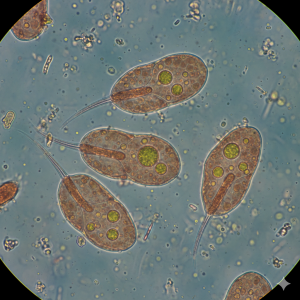
The toxins released by these algae, along with the environmental conditions created by the bloom, have been linked to the death of marine life, as well as the appearance of discoloured or foamy water.
In addition, sea spray and aerosols generated by the bloom may carry irritants that can affect people onshore.
South Australian health authorities have warned that individuals with respiratory conditions such as asthma, emphysema, bronchitis or other chronic lung diseases may be particularly vulnerable when winds carry foam or aerosols inland.
Although direct evidence of eye injury from this specific algal bloom is limited, exposure to the same irritant aerosols or foam that affects the lungs and throat is likely also to irritate the eyes and surrounding ocular structures, including the conjunctiva, eyelids, and tear film.

Why your eyes might need protection
Near the shore, the motion of bubbles and waves can create aerosols and foam that contain fragments of algal cells, as well as toxins or other irritants.
When carried inland, these particles can come into contact with the eyes, leading to symptoms such as redness, itching, tearing, or a gritty sensation.
Conditions worsen when onshore winds combine with choppy seas - this is the most problematic scenario, as the agitation of the water generates more foam. In contrast, the wind drives the irritants toward beaches and coastal areas. Even without entering the water, people sitting, walking, or exercising near the shore may still be exposed to these airborne irritants, particularly when the water appears foamy or discoloured.
Because the eyes are mucous-membrane surfaces, they are vulnerable in much the same way as the respiratory tract.
While most health discussions surrounding algal blooms have focused on respiratory issues, such as coughing, throat irritation or asthma, ocular exposure also deserves equal attention.
Protecting the eyes from these irritants is similar in principle to shielding the skin from sun or spray drift: awareness and simple precautions can make a meaningful difference.
How you can protect your eyes (and general health)
Here are some sensible steps to take (especially if you live close to the beach):
- Wear barrier protection
- Sunglasses: Choose wrap-around sunglasses so that side-windblown spray or aerosols are blocked from reaching your eyes.
- Wide-brim hat: A hat with a brim will help reduce the amount of spray, foam or wind-borne irritation reaching your face.
- Avoid windy, foamy conditions: When you see visible foam at the water’s edge, or the wind is onshore (sea-to-land), minimise time spent right in the surf zone or immediately downwind of the water.
- After beach exposure: Rinse your face and eyes (if tolerated) with clean fresh water to remove any deposited particles. Cold compress may soothe if there’s ocular irritation.
- Know when to see your optometrist/eye care professional
- If you begin to experience eye-redness, persistent tearing, gritty or foreign-body sensation, or increased sensitivity to light, seek advice from your local optometrist.
- Your optometrist has the equipment to examine the eyes and prescribe appropriate eye drops if required.
- Mention your coastal exposure and the algal bloom context; this helps the clinician consider exposure-related ocular surface irritation among possible causes.
- Don’t delay if you have known eye conditions (dry-eye, allergic conjunctivitis, recent surgery) as you may be more vulnerable to surface irritation.
- General health advice
- Follow local government advice: for example, SA Health says avoid swimming or surfing in water that is foamy or discoloured.
- If you have respiratory conditions, consider avoiding time on beaches when visible foam or strong onshore winds are present. By reducing exposure, you also reduce ocular exposure.
- Keep hydrated and protect your skin – a healthy surface environment (skin, eyes) is less vulnerable to irritants.
- If you exercise outdoors near the coast, consider doing so when conditions are calmer (i.e., less foam, less onshore wind) and perhaps further from the shoreline.
A final thought
This algal bloom is a serious ecological event. While direct long-term ocular damage has not been documented in this specific case, the mechanisms of aerosolised algal irritants and foam mean your eyes deserve attention. By using sunglasses and a hat as barrier protection, being mindful of onshore windy/foamy conditions, and seeing your optometrist if any eye symptoms arise, you reduce your risk of eye irritation.
As always, if you feel especially unwell or your eyes worsen, seek professional eye care.
Find your local, trusted optometrist by popping your postcode in Good vision for life’s simple search tool.